Craniosynostosis and Craniofacial Disorders
Pediatric Neurosurgical Conditions
Craniosynostosis and other Craniofacial Disorders
Craniosynostosis and other craniofacial disorders are conditions in which the bones of the skull and face develop abnormally, often beginning before birth or during early infancy. In craniosynostosis, one or more of the sutures—the natural growth seams between the skull bones—close prematurely, altering the shape of the skull and potentially restricting normal brain growth. Without timely treatment, this can lead to increased intracranial pressure, developmental delays, visual impairment, breathing difficulties, and long-term neurological complications.
Craniosynostosis may occur as an isolated condition or as part of a genetic syndrome, such as Crouzon, Apert, or Pfeiffer syndromes. Other craniofacial disorders include facial asymmetry, orbital abnormalities, midface hypoplasia, and complex skull base deformities. Each child’s presentation is unique, requiring careful evaluation with advanced imaging and coordinated assessment by a specialized craniofacial team.
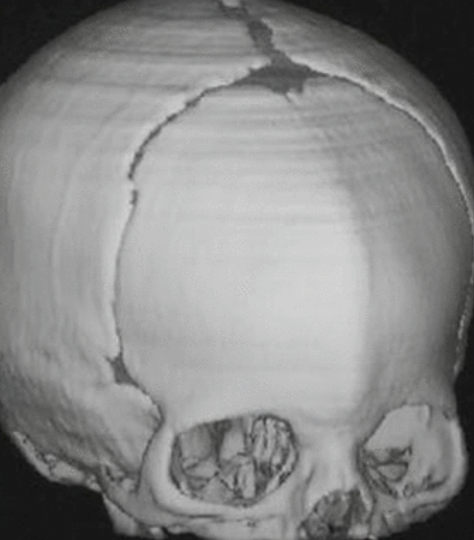
Treatment is individualized and often involves surgical correction during infancy or early childhood, when the skull is most responsive to remodeling. Modern techniques, including minimally invasive endoscopic surgery and advanced cranial reconstruction, allow surgeons to restore normal skull shape, relieve pressure on the developing brain, and support healthy neurological development with excellent cosmetic and functional outcomes.
Our program provides comprehensive care for children with craniosynostosis and craniofacial disorders, integrating neurosurgery, plastic surgery, genetics, ophthalmology, otolaryngology, and developmental specialists. Families receive long-term guidance and follow-up to ensure each child’s growth, development, and quality of life are fully supported.