
Congenital Brain and Spinal Malformations
Pediatric Neurosurgical Conditions
Congenital Brain and Spinal Malformations
Congenital brain and spinal malformations are structural abnormalities of the central nervous system that develop during fetal growth and are present at birth. These conditions arise when normal formation of the brain, spinal cord, or surrounding structures is disrupted during early pregnancy. They range from mild and asymptomatic variants to complex disorders that can significantly affect neurological function, development, and quality of life.
Common congenital brain malformations include hydrocephalus, Chiari malformation, agenesis of the corpus callosum, cortical development disorders, and encephaloceles. Spinal malformations may involve spina bifida, tethered cord syndrome, lipomyelomeningocele, diastematomyelia, and other forms of spinal dysraphism. Some children present with obvious physical findings at birth, while others develop symptoms later in infancy or childhood such as developmental delay, headaches, weakness, sensory changes, bladder or bowel dysfunction, seizures, or orthopedic abnormalities.
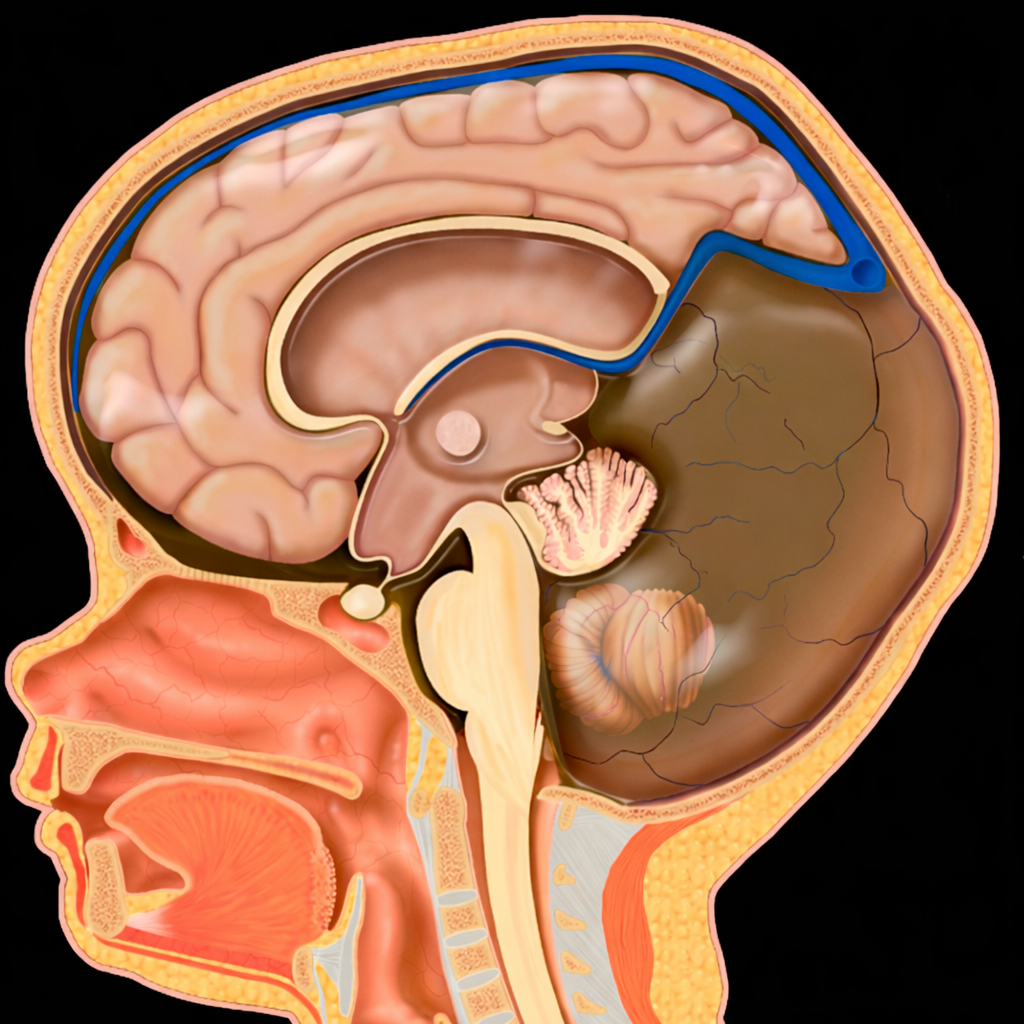
Accurate diagnosis requires advanced imaging, most often with MRI, and careful evaluation by a multidisciplinary team. Treatment is highly individualized and depends on the specific malformation, its severity, and the child’s symptoms. Many conditions can be effectively managed with modern neurosurgical techniques, often preventing progression of neurological deficits and improving long-term outcomes. In some cases, early surgical intervention is critical to protect brain and spinal cord function during key periods of growth and development.
At our center, children with congenital brain and spinal malformations receive comprehensive, family-centered care, combining surgical expertise with long-term follow-up and close collaboration among neurosurgery, neurology, radiology, pediatrics, rehabilitation, and other specialists to support each child’s full potential.